Robot Accessories:
The right robot accessories turn a robot into a complete automation solution. Adapter plates connect the robot to its tooling, energy chains guide cables and hoses, mounting systems provide a stable base, and sensors help detect workpieces or process states.
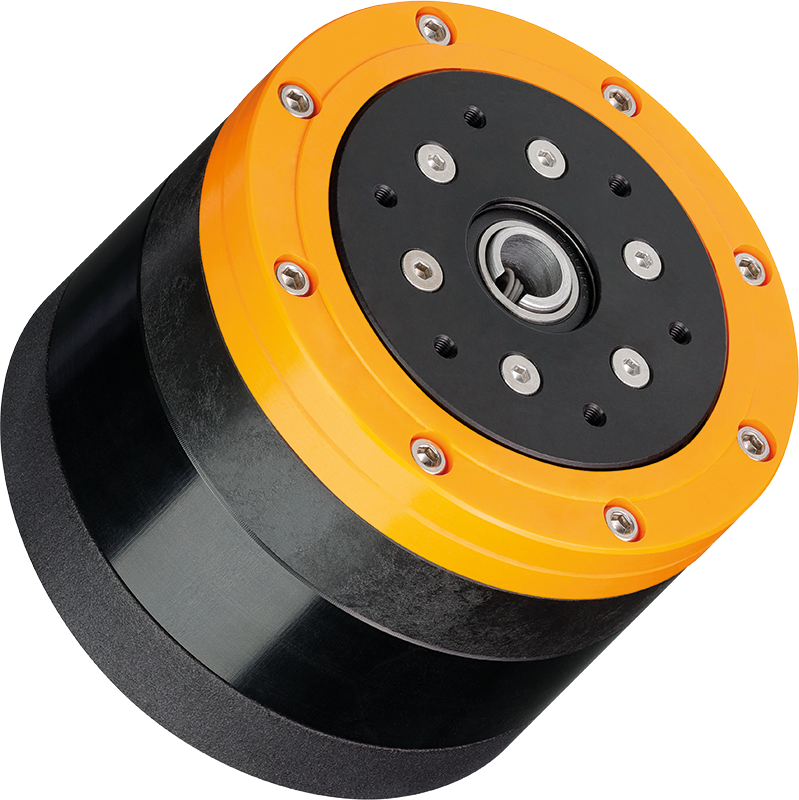
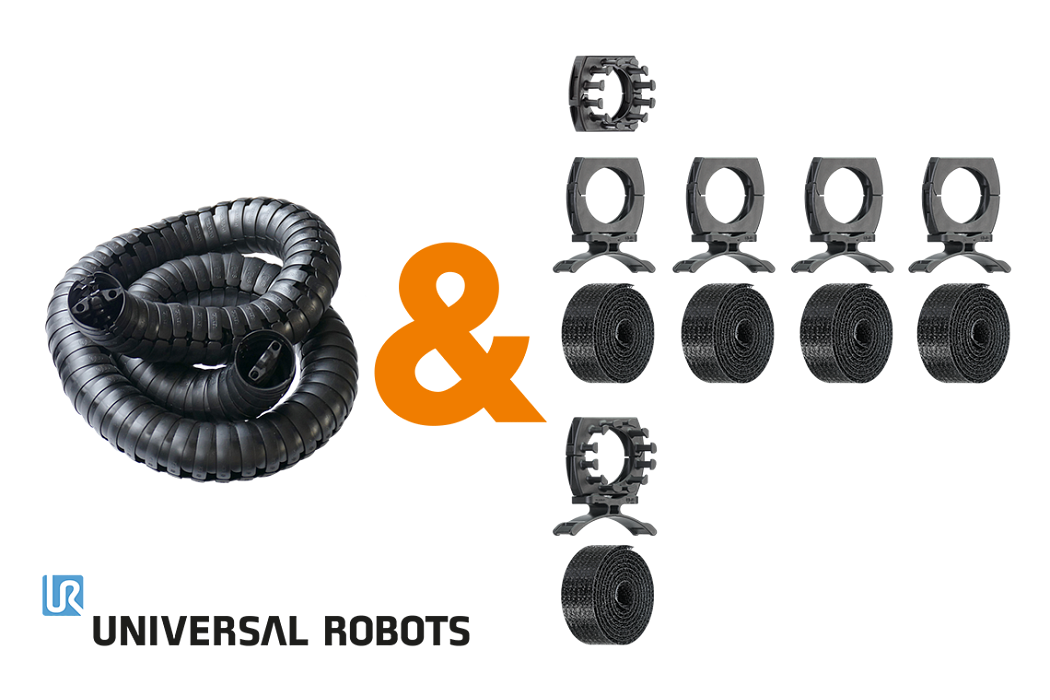
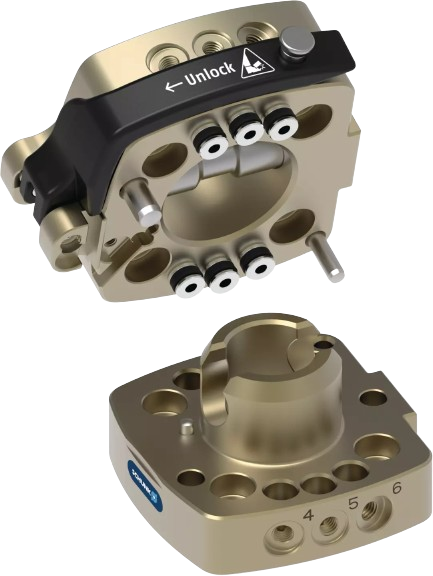
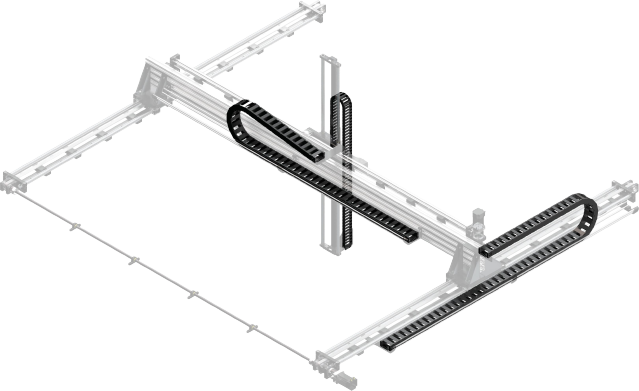
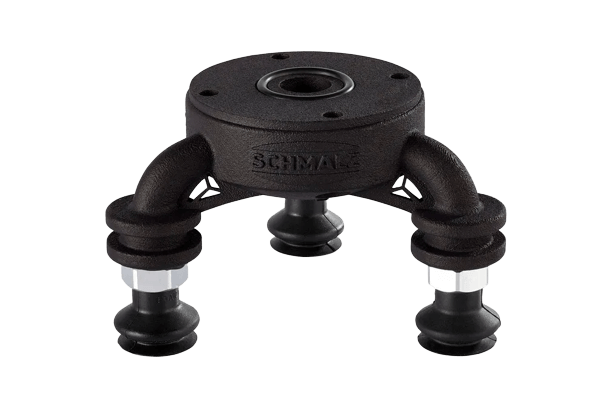
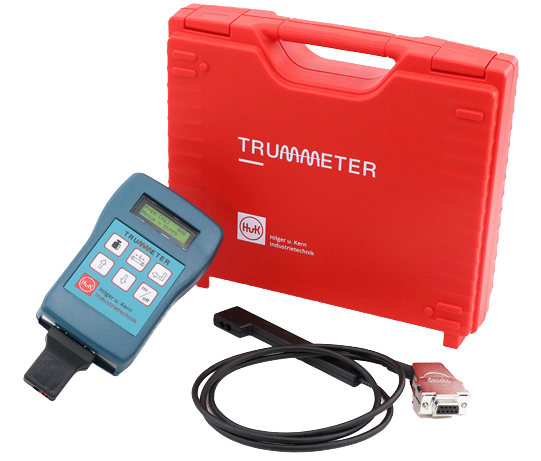
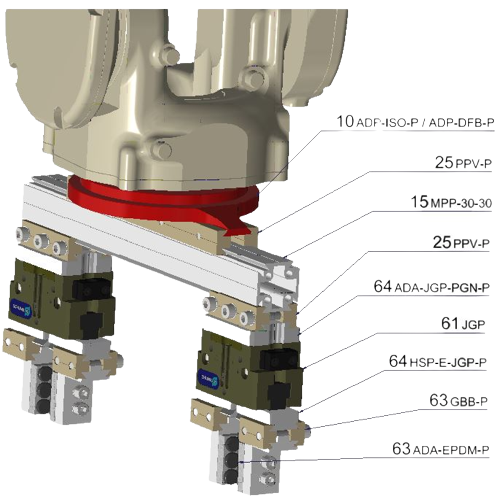
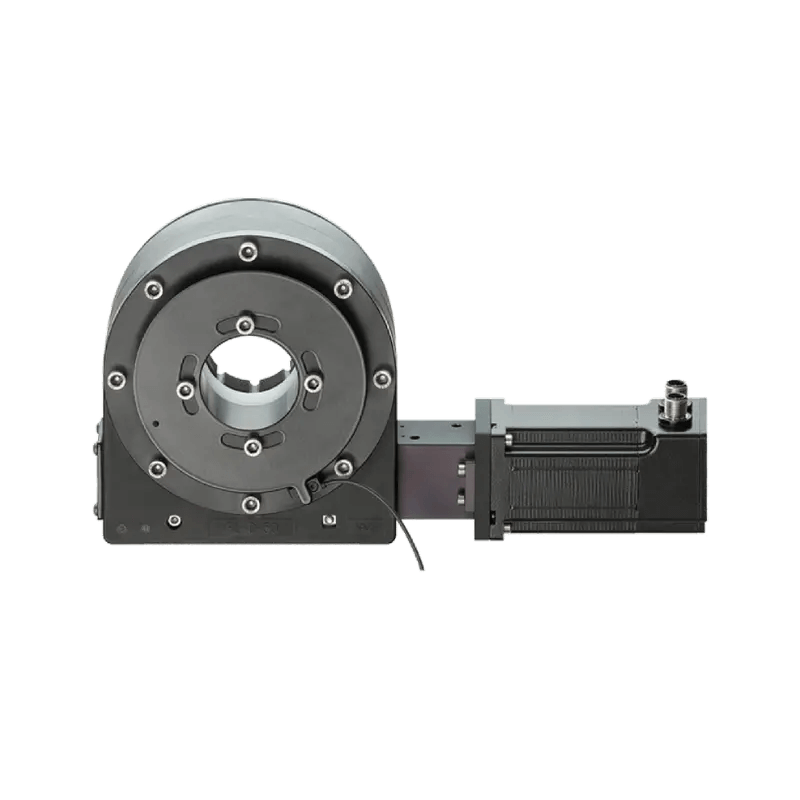
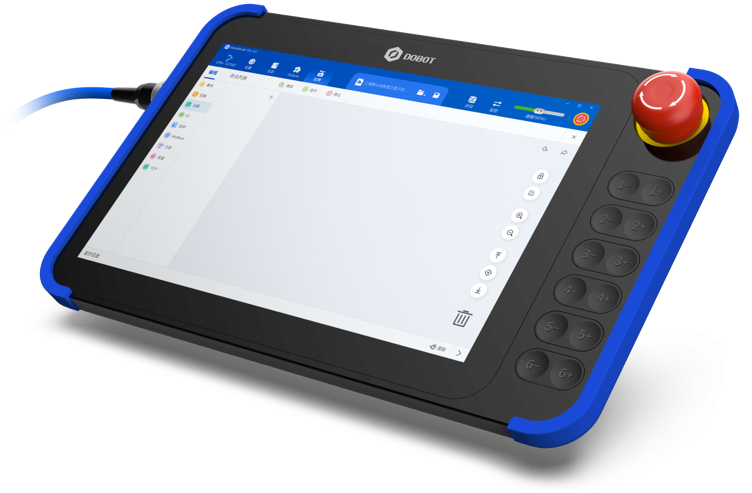
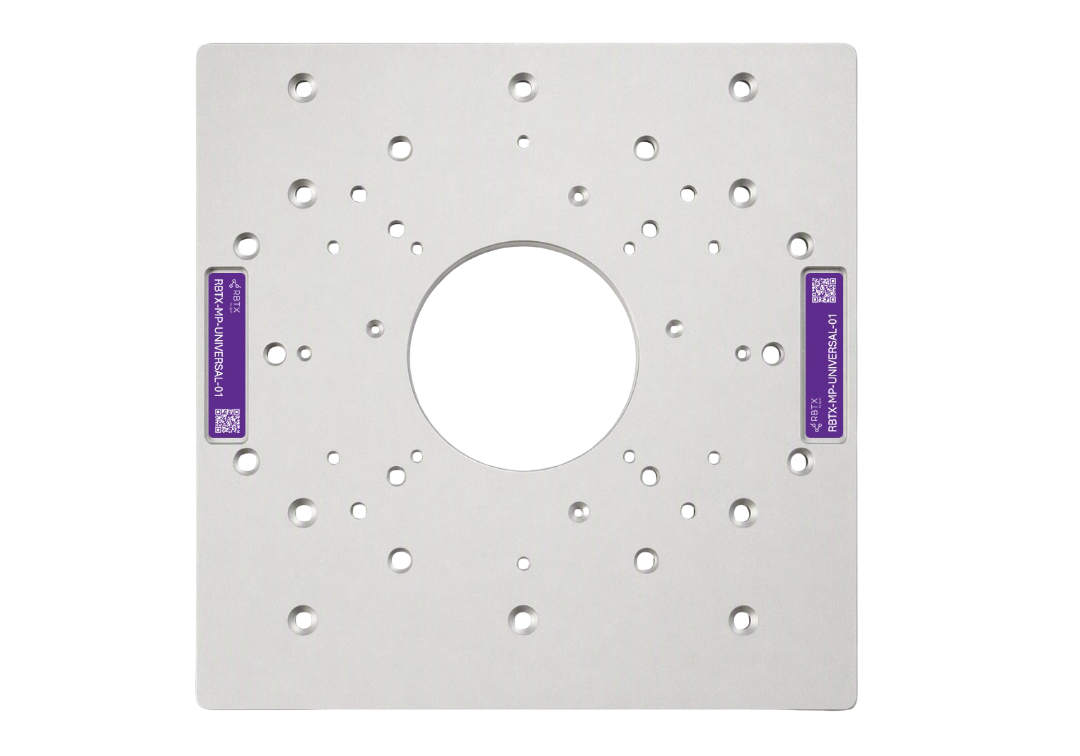
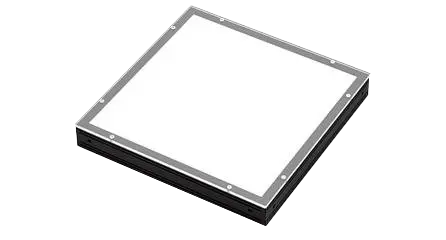
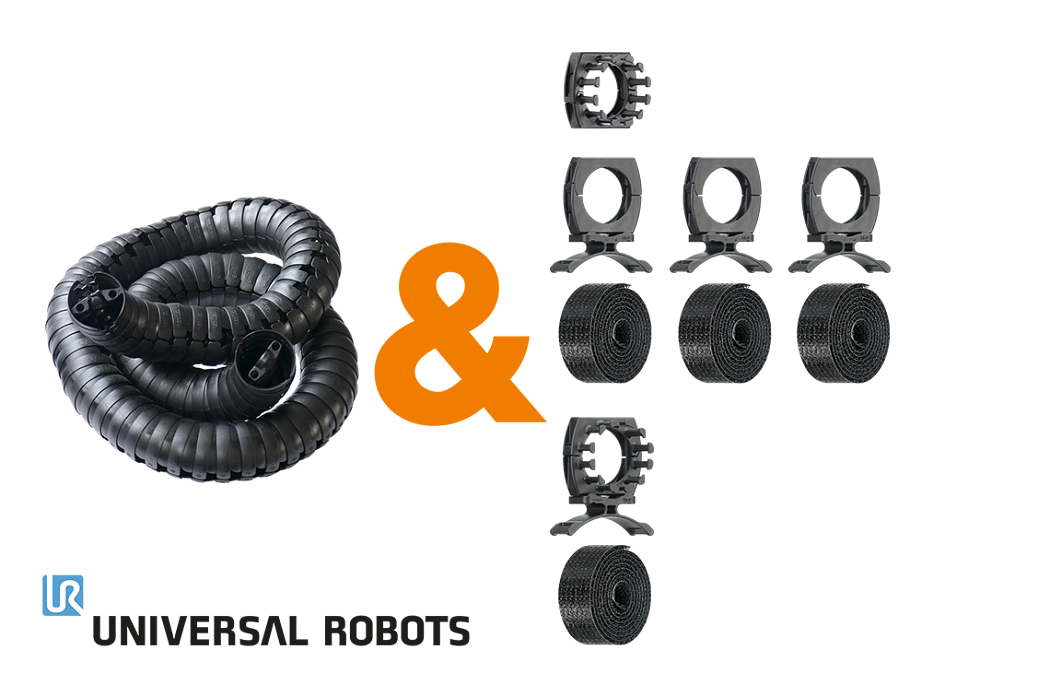
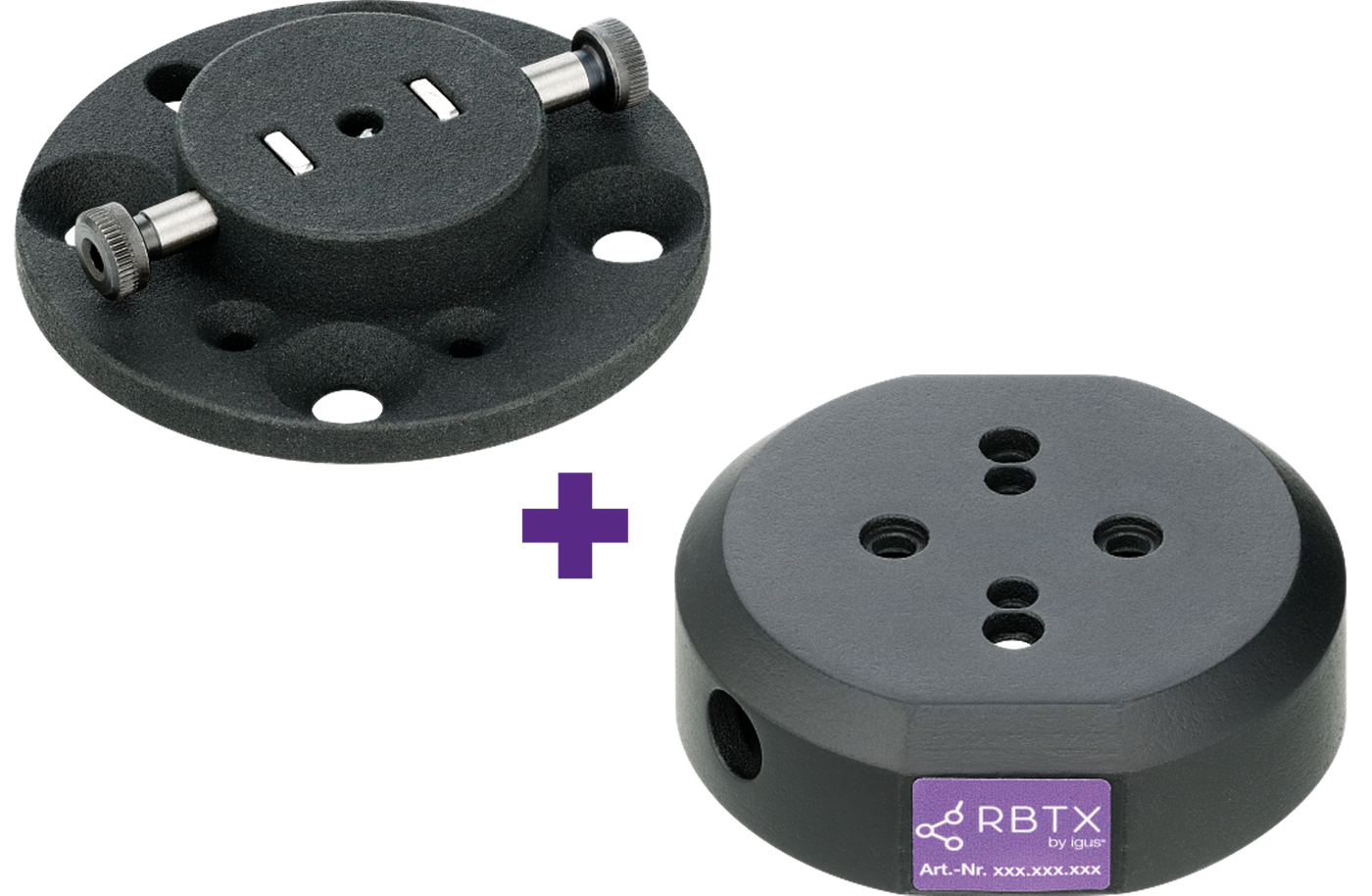
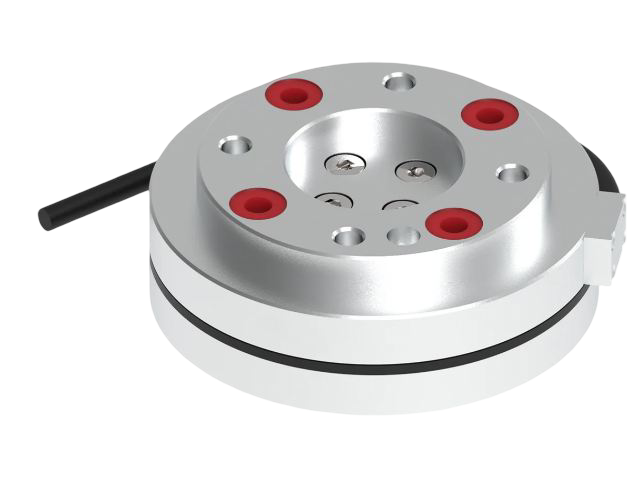
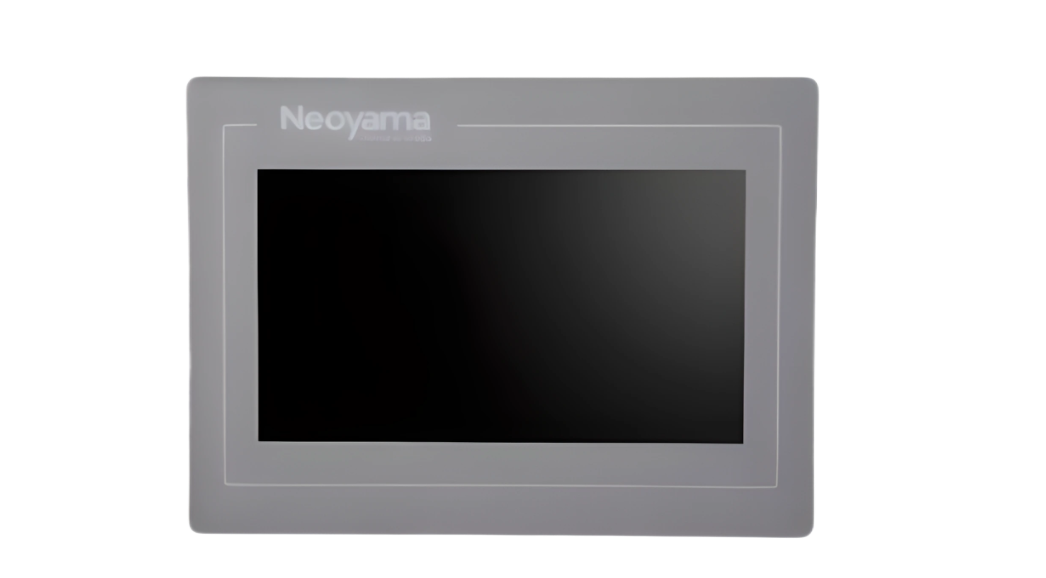
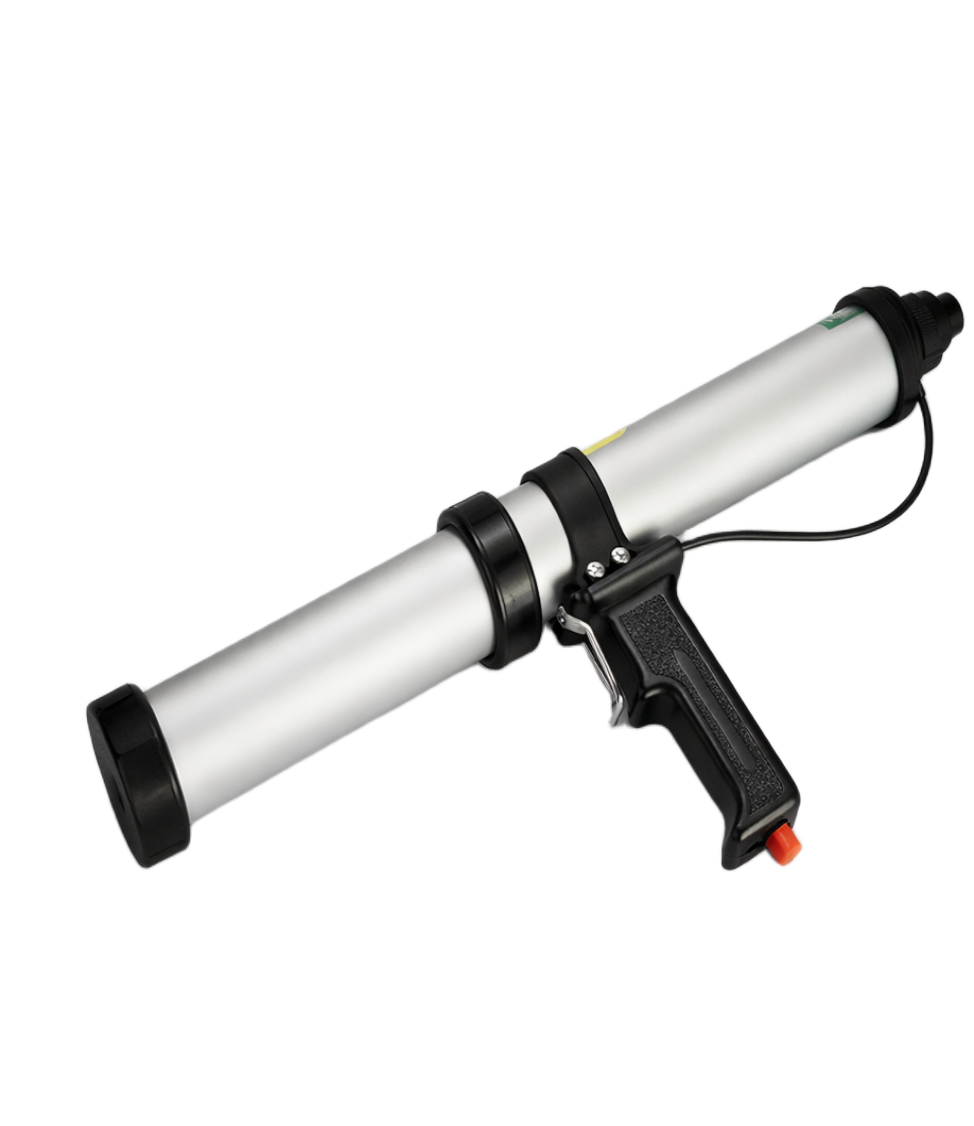
Robot Accessories for Different Automation Tasks
Not every technical detail needs to be defined at the start. The first step is to identify the function the accessory should perform.
Automation task | Common accessories |
Mount and position the robot | Base, mounting plate or frame |
Connect a gripper or process tool | Adapter plate or flange adapter |
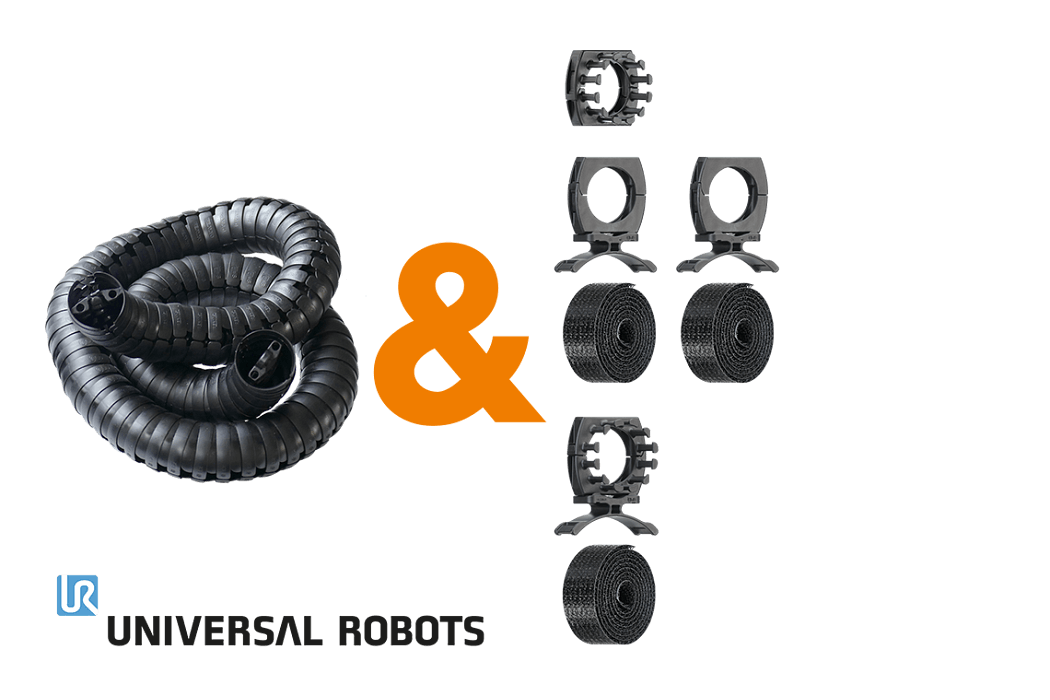
Guide cables and hoses | Energy chain, protective conduit or cable holder |
Use several tools on one robot | Manual or automatic tool changer |
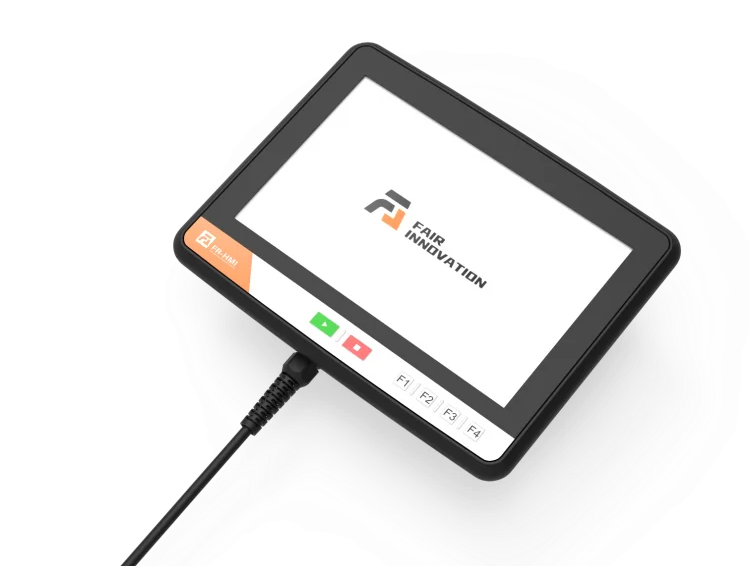
Set up and operate the robot | Teach pendant or handheld controller |
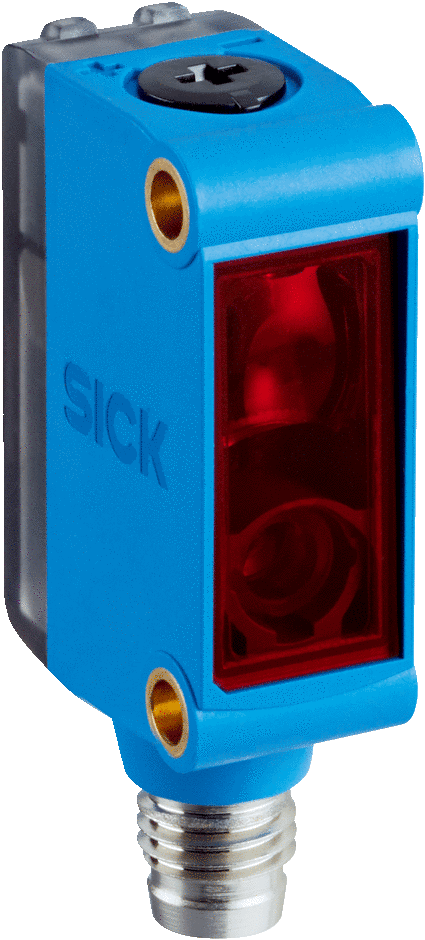
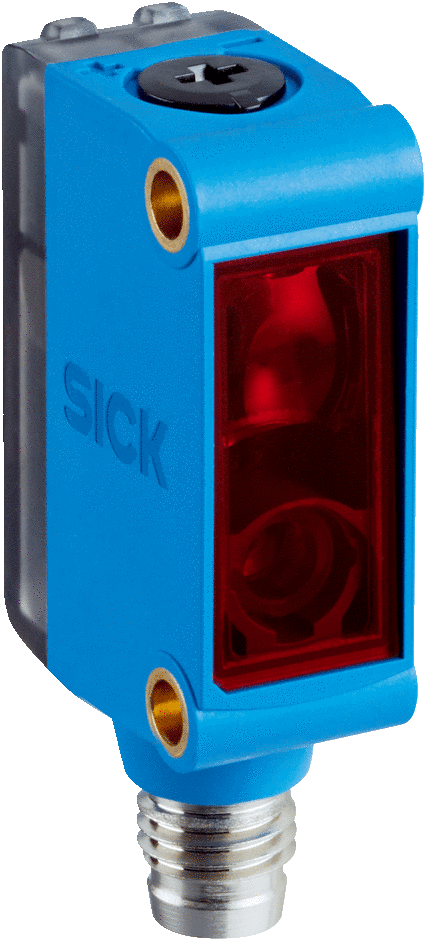
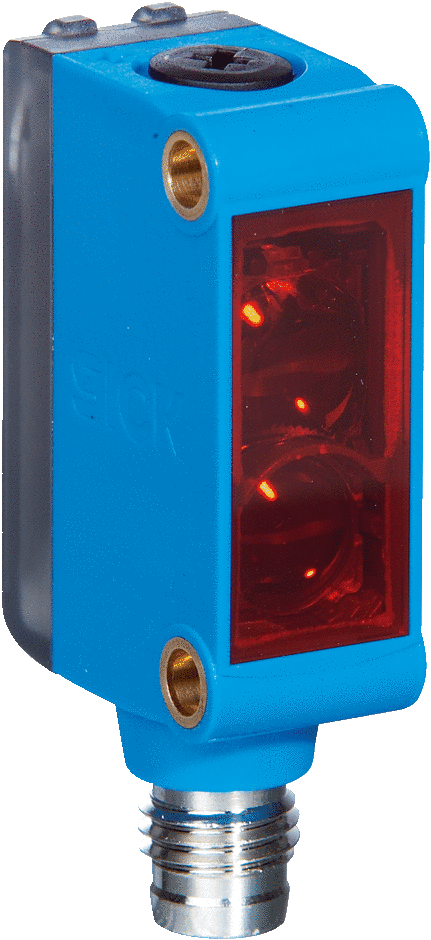
Detect workpieces | Sensor, photoelectric sensor or light barrier |
Measure process forces | Force-torque sensor |
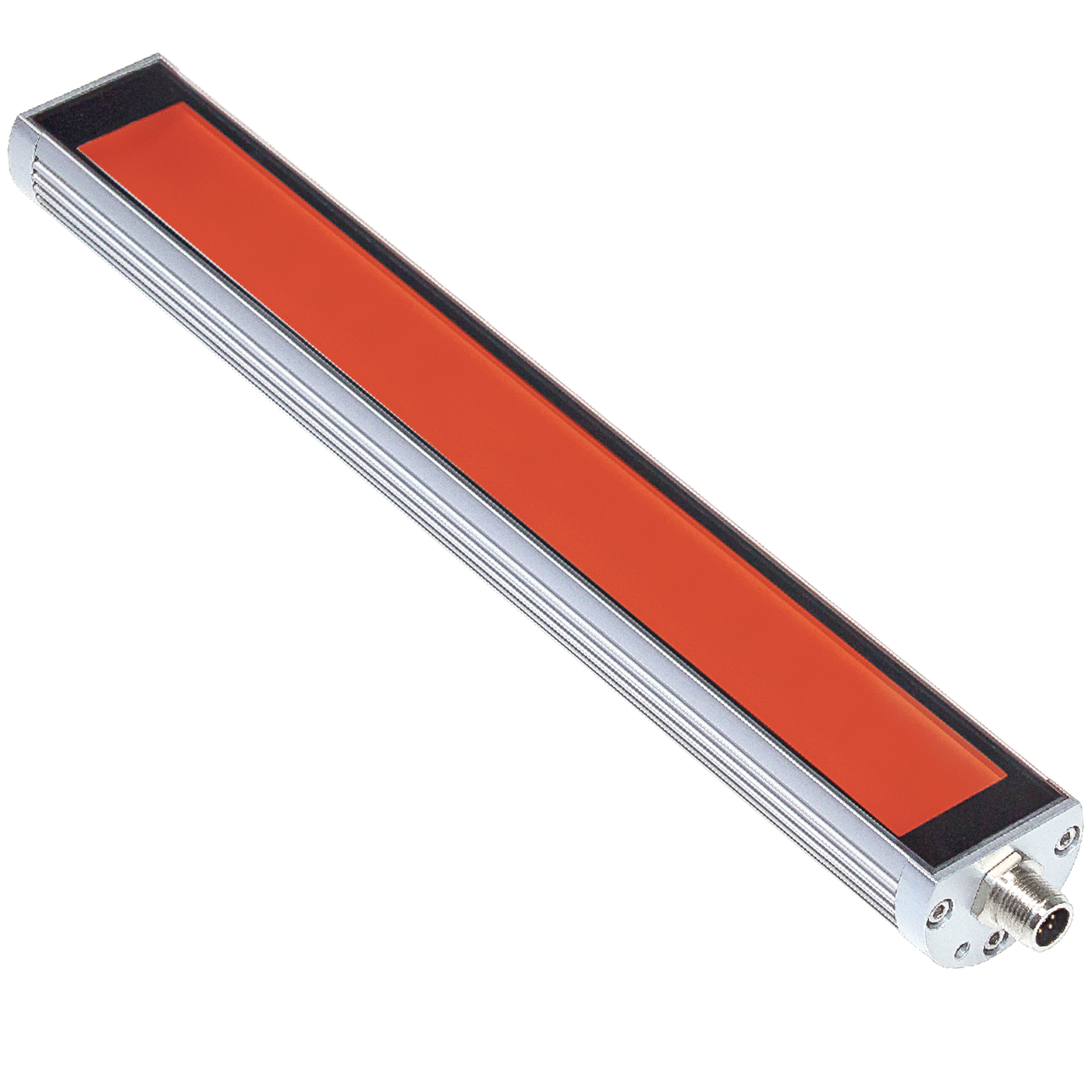
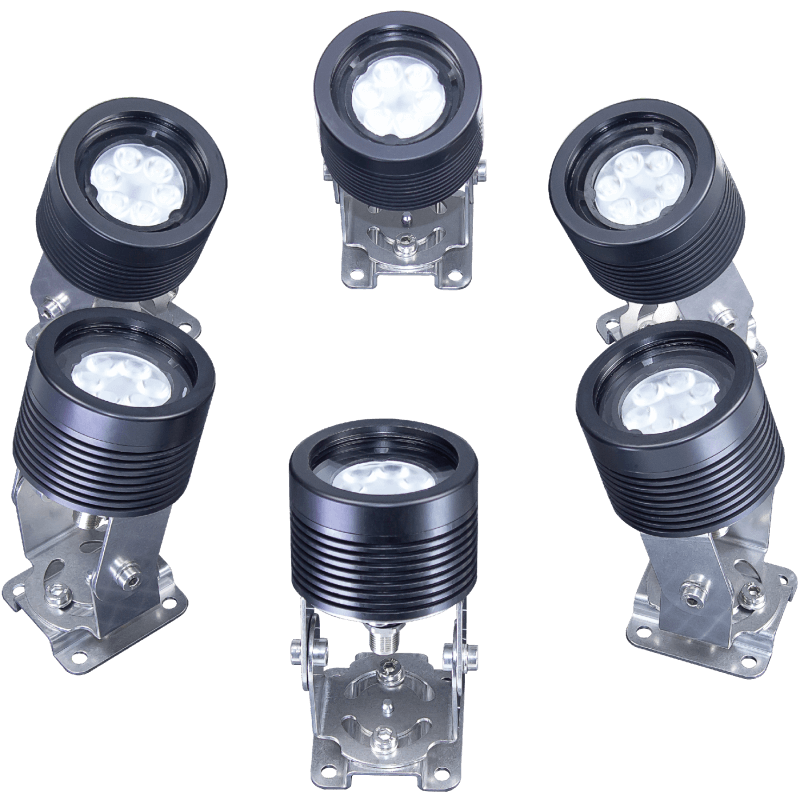
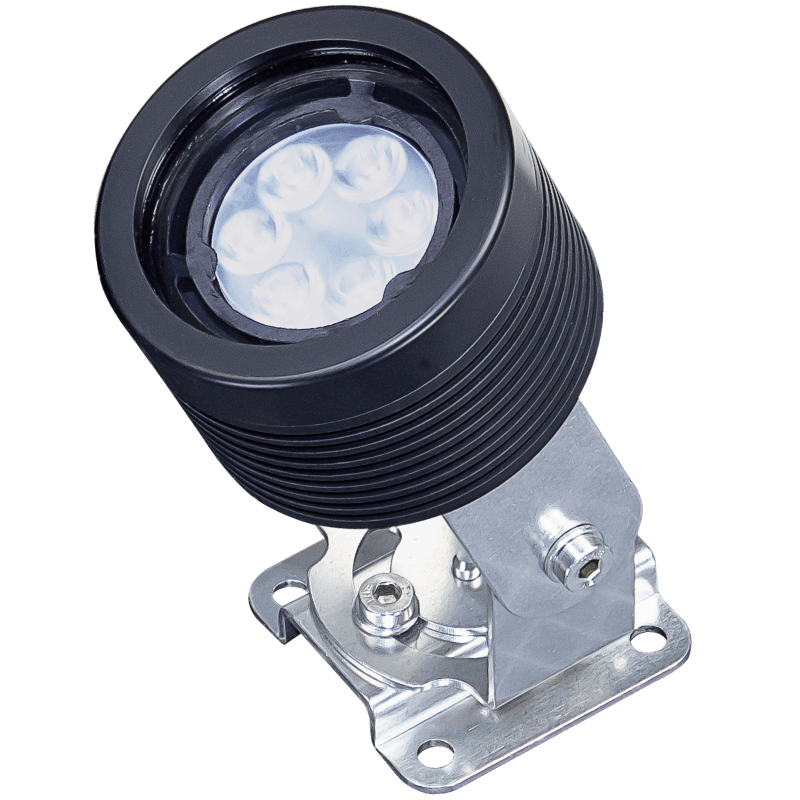
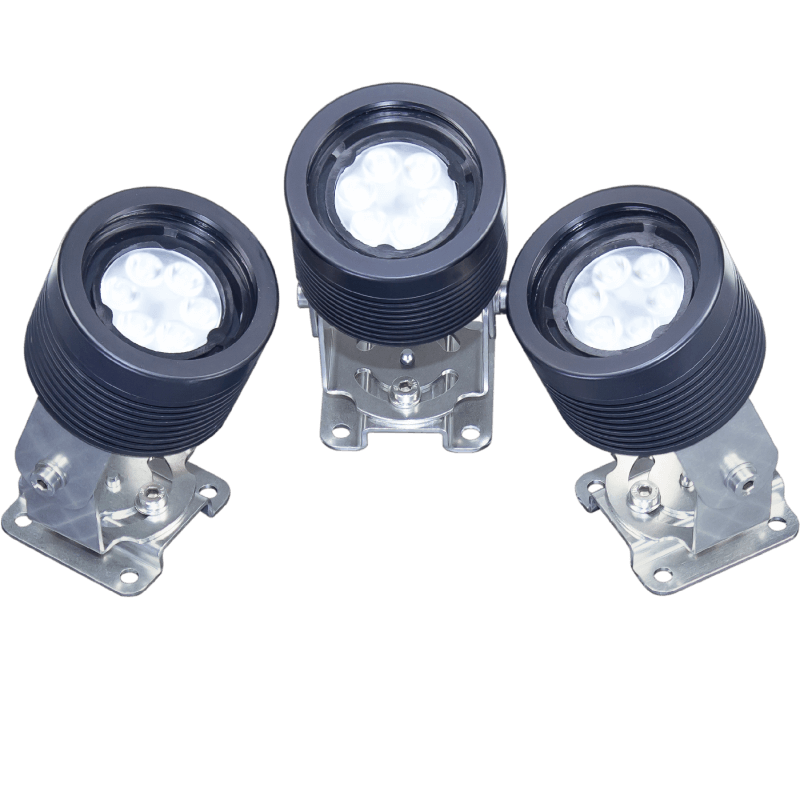
Improve camera images | Machine or vision lighting |
Extend the working range | External axis or rotary axis |
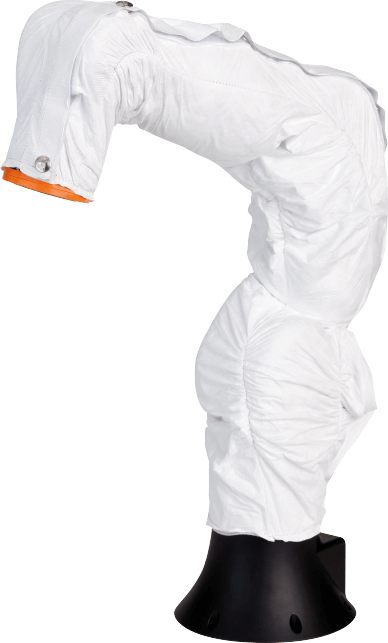
Protect the robot from contamination | Robot cover |
A basic pick-and-place application may only require a stable mounting solution, a suitable gripper adapter and cable guidance. More advanced systems may also need sensors, lighting, automatic tool changing or an additional axis.
When the required robot components are not yet clear, RBTX can consider the complete setup and help select individual products or plan a turnkey automation solution.
What Is Included in Robot Accessories?
Robotic accessories are components that connect, extend, protect or support a robot application.
Common product groups include:
Adapter and mounting plates
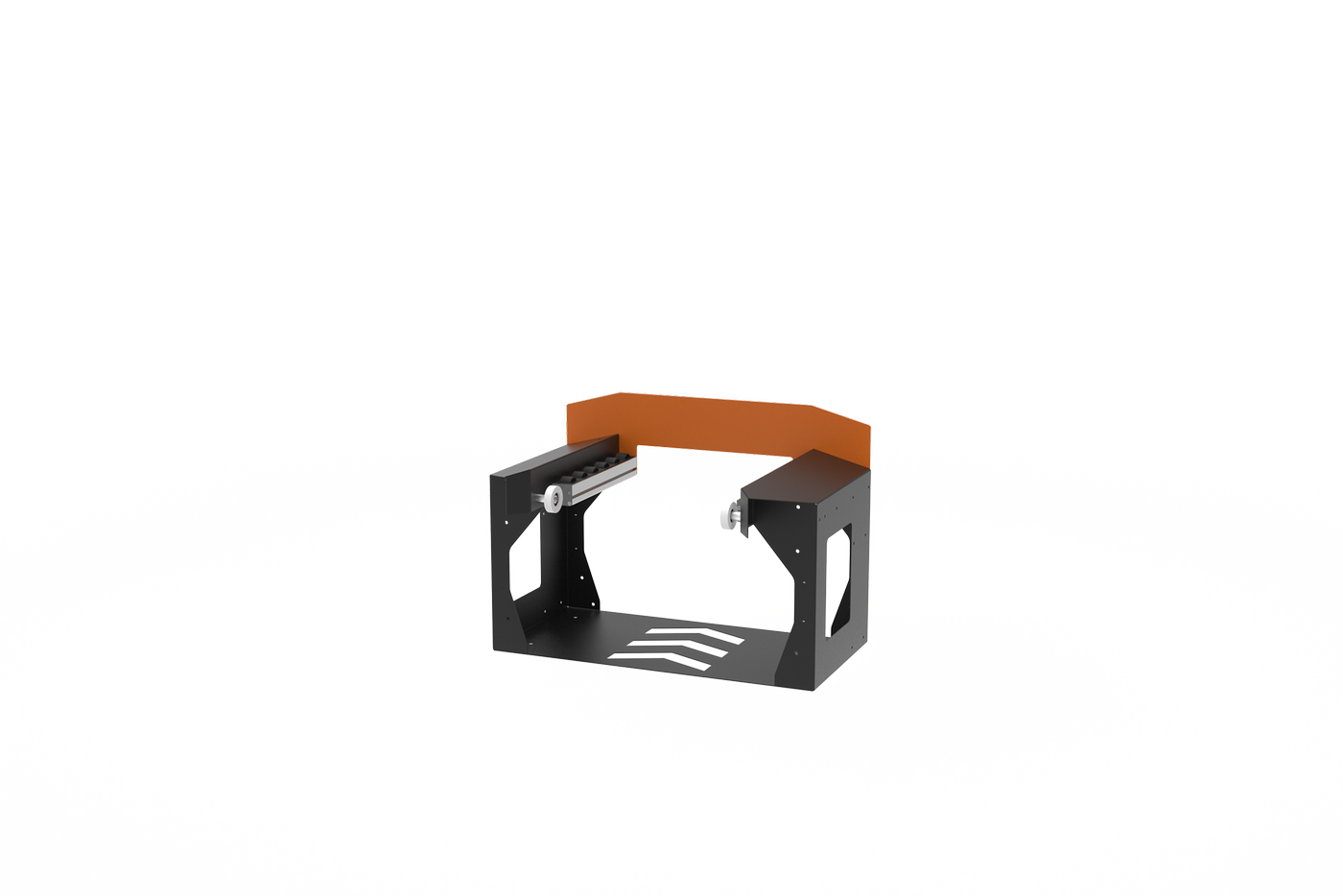
Robot bases and frames
Energy chains and cable holders
Tool changers
Teach pendants and handheld controllers
Force-torque sensors
Photoelectric and proximity sensors
Machine and vision lighting
Protective covers
External axes
Cables, hoses and mounting brackets
Equipment for mobile robot systems
The line between accessories, peripheral equipment and other automation components is not always fixed. What matters most is the function of the product within the application. The current RBTX selection includes products such as adapter plates, energy chain systems, sensors, external axes, lighting and operating devices.
Main Types of Robot Accessories Explained
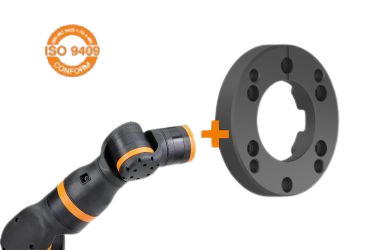
Adapter Plates and Flange Adapters
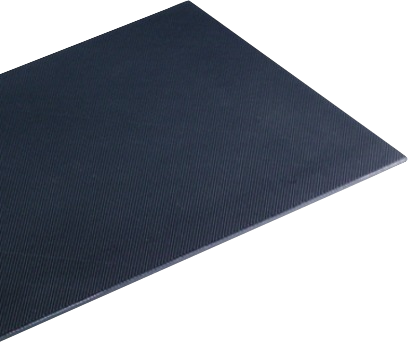
An adapter plate connects the robot to a gripper, sensor or process tool. It is required when the two components cannot be mounted directly together.
The following information is usually enough for an initial selection:
Robot manufacturer and model
Gripper or tool manufacturer and model
Intended application
Required electrical, signal or pneumatic connections
Measuring the flange pattern is usually not necessary at the beginning. Existing product data can be used to determine whether a standard adapter is available or whether another solution is needed.
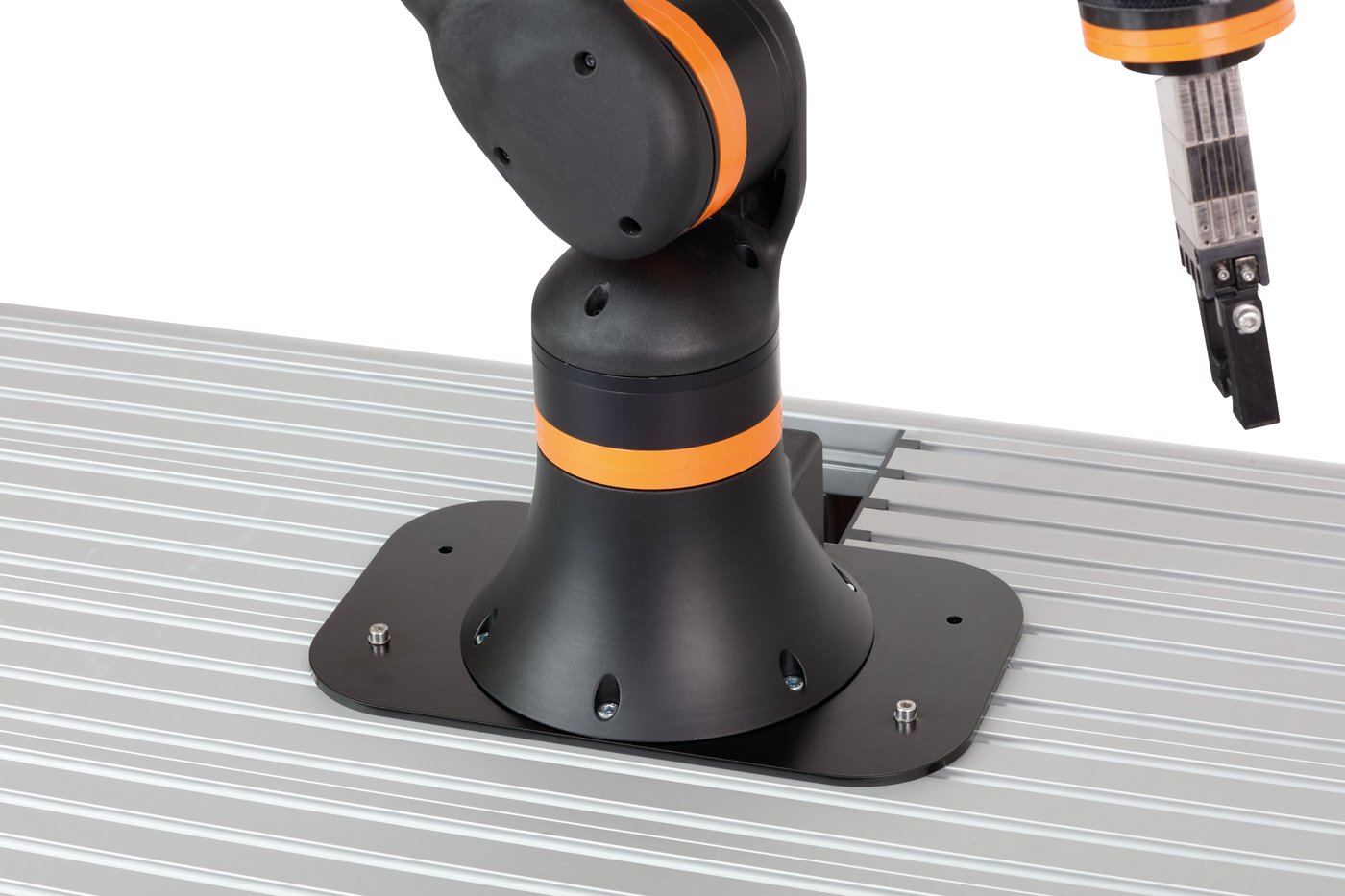
Robot Bases and Mounting Systems
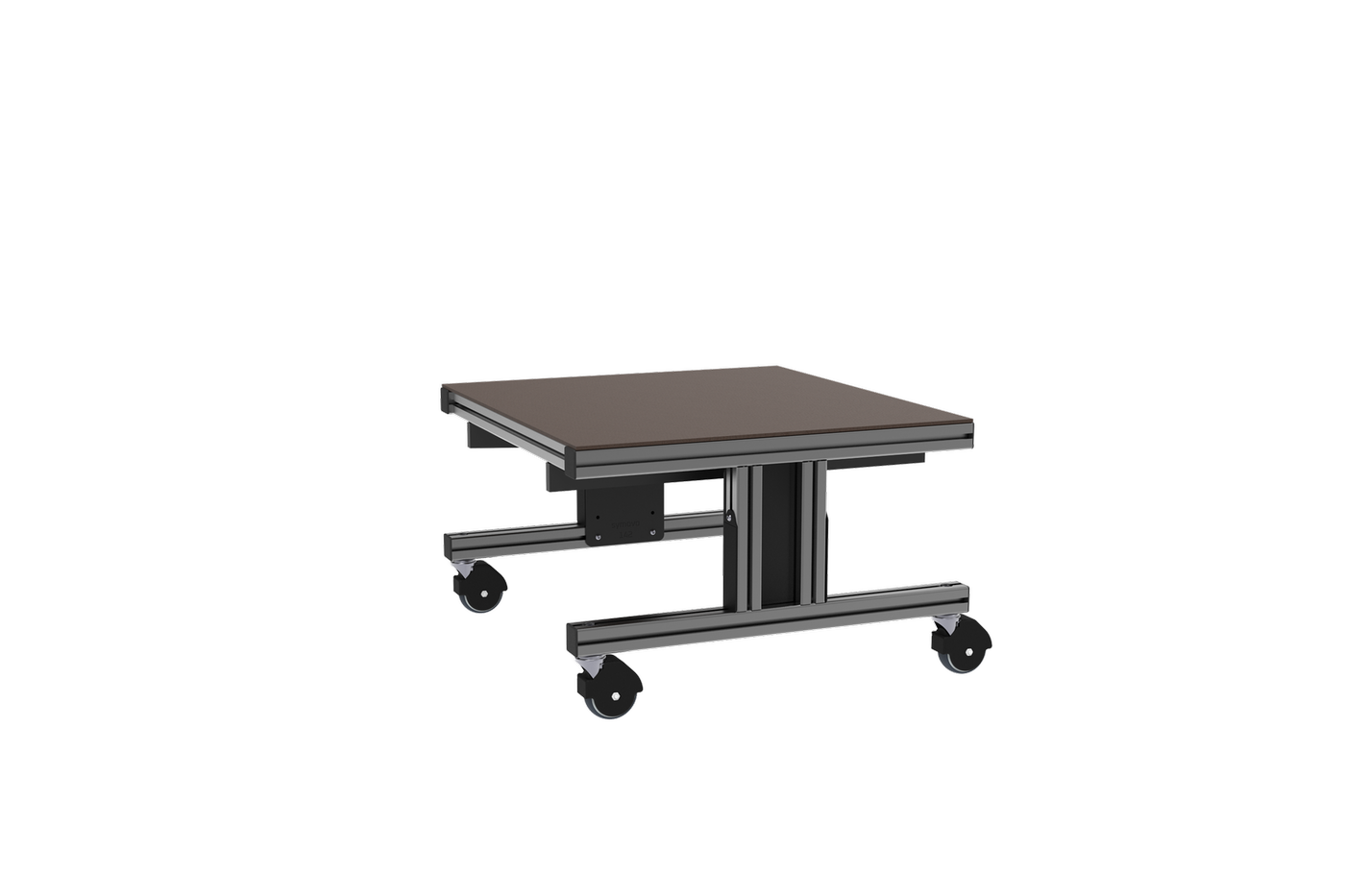
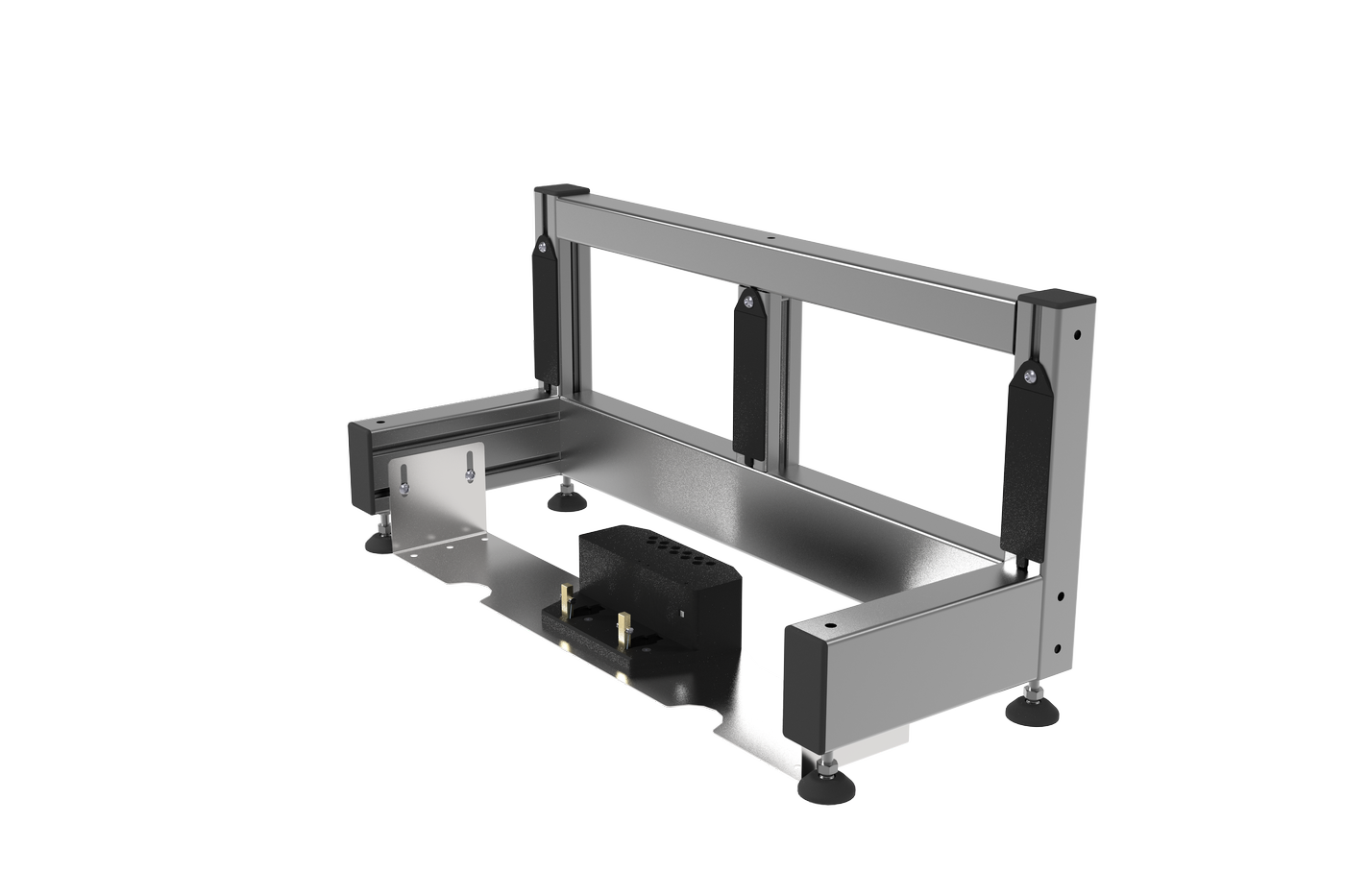
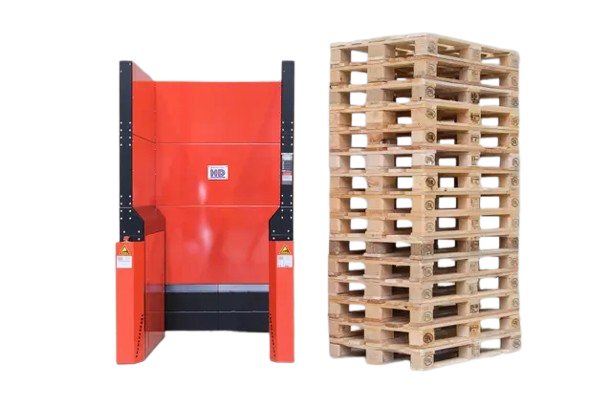
A robot base or mounting plate provides a stable installation and positions the robot at a suitable working height.
Useful information for the first selection includes:
Robot model
Floor, table, frame or mobile installation
Approximate working area
Available installation space
Environmental conditions such as chips, moisture or frequent relocation
This information helps narrow down the mounting solution. For a complete system, the robot position can also be considered together with the required reach and surrounding equipment.
Energy Chains and Cable Management
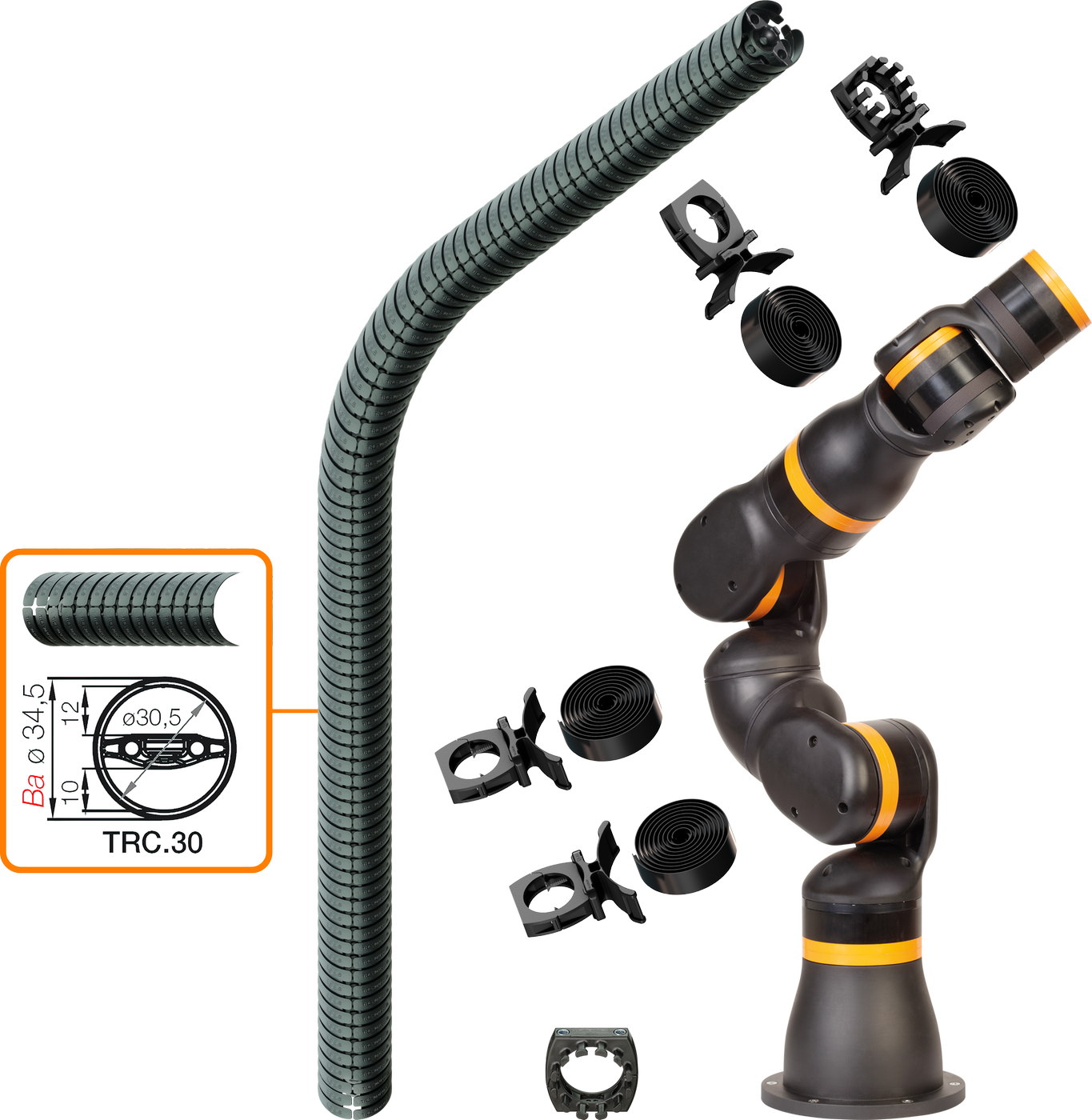
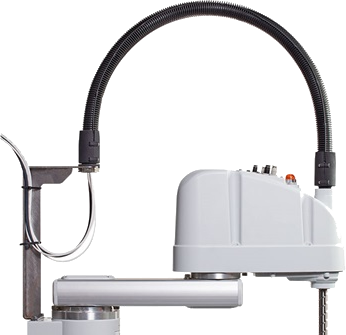
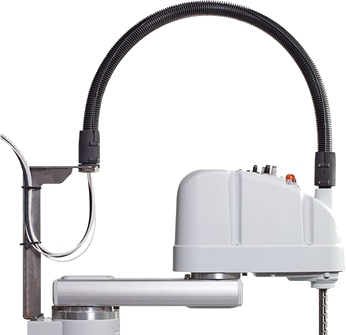
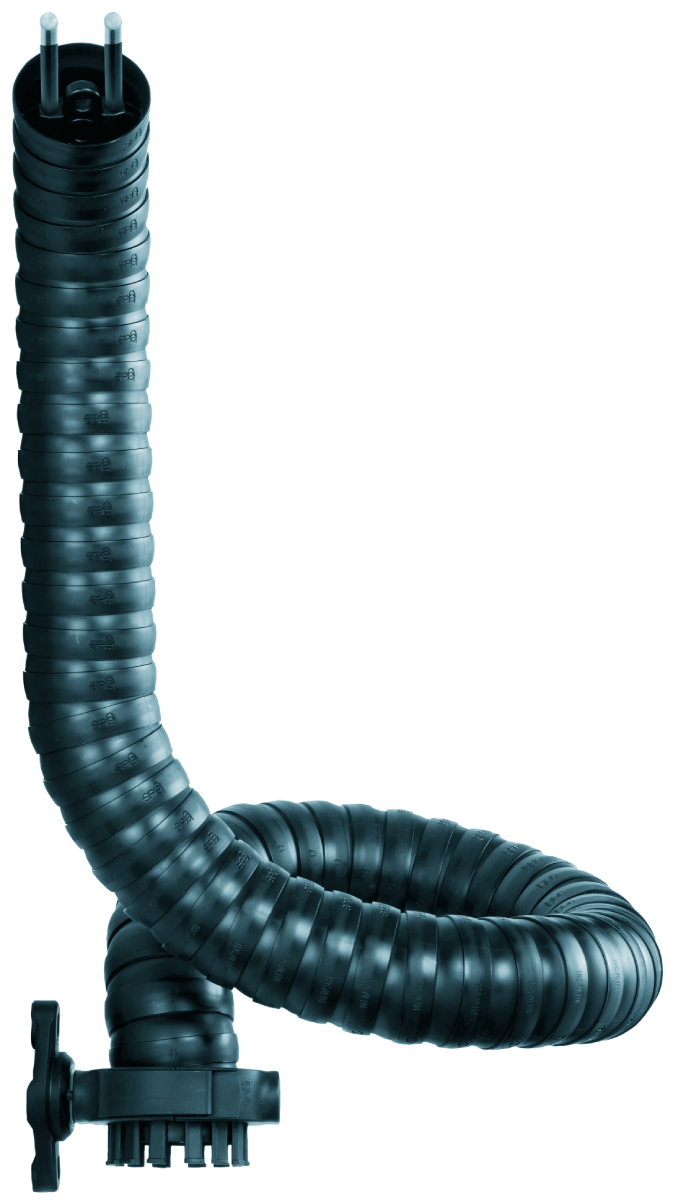
Cables and hoses move whenever the robot moves. Suitable cable management prevents them from hanging loosely in the workspace, rubbing against equipment or becoming trapped.
Common solutions include:
Energy chains
Protective conduits
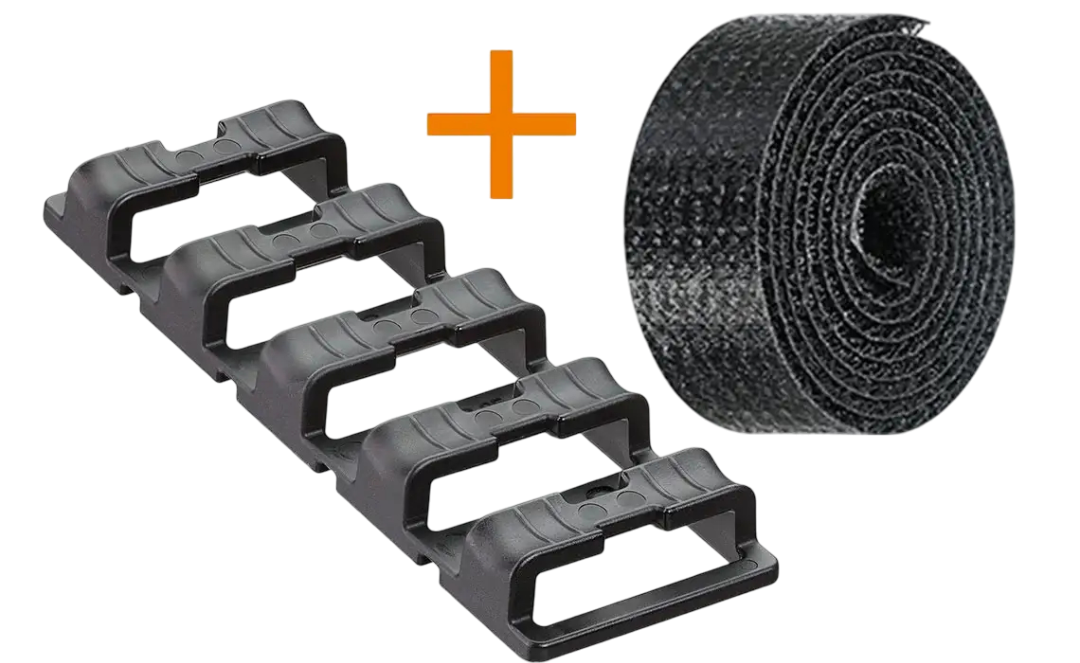
Cable clips
Mounting brackets
Guide systems
Complete cable kits
Robot model, tooling and required lines are the most important starting points. The exact cable route does not need to be fully planned in advance. For a turnkey system, cable and hose guidance can be coordinated with the robot, end effector and motion sequence.
Tool Changers
A tool changer allows one robot to use different grippers or process tools.
Type | Typical use |
Manual tool changer | Tools are changed occasionally by personnel |
Automatic tool changer | The robot changes tools during the process |
Mechanical connection only | No electrical or pneumatic transfer is required |
Tool changer with media transfer | Power, signals or compressed air are transferred |
For an initial assessment, it is helpful to know which tools will be used and how often they need to be changed. Additional requirements such as tool stands and media connections can then be included in the system design.
Teach Pendants and Handheld Controllers
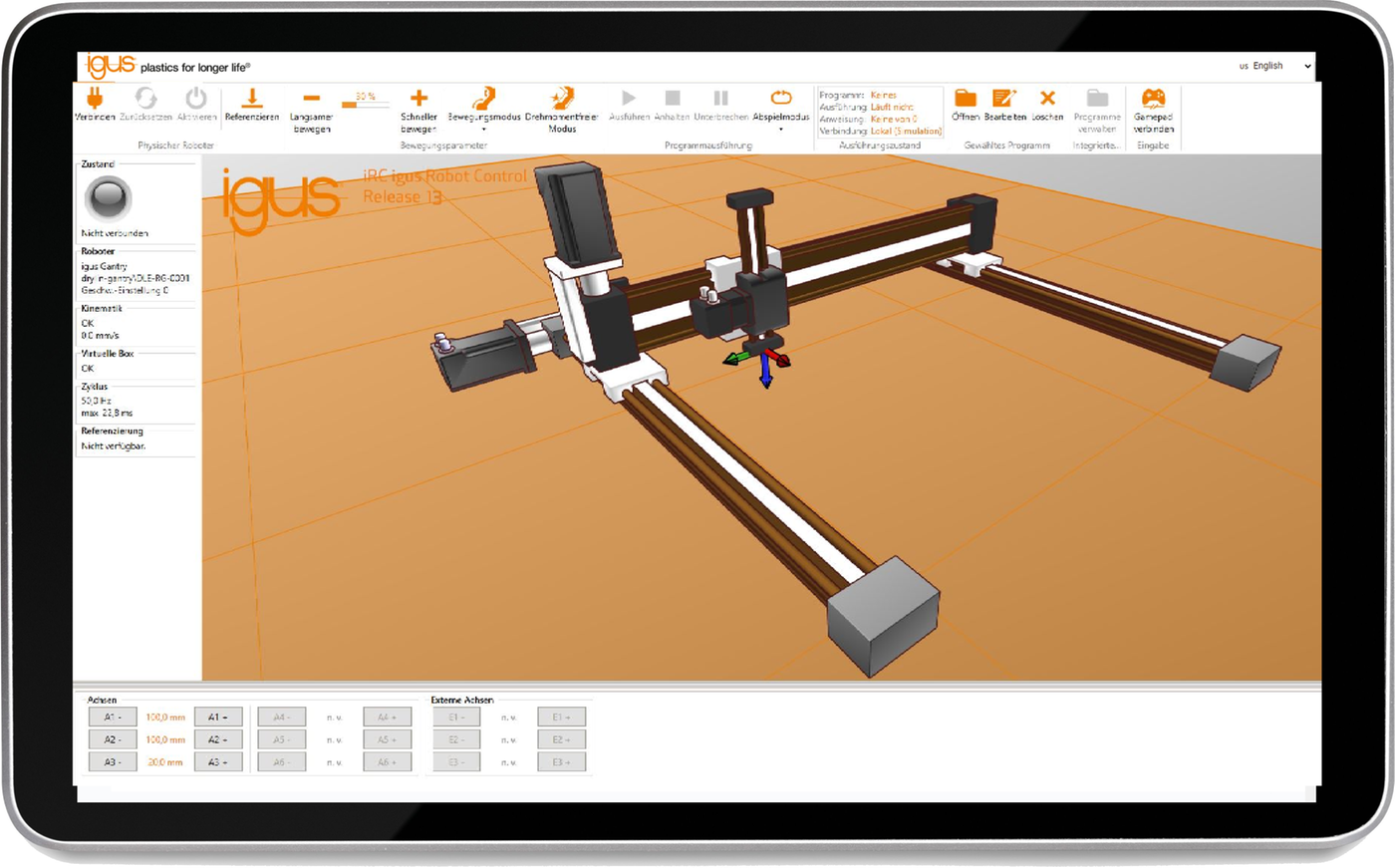
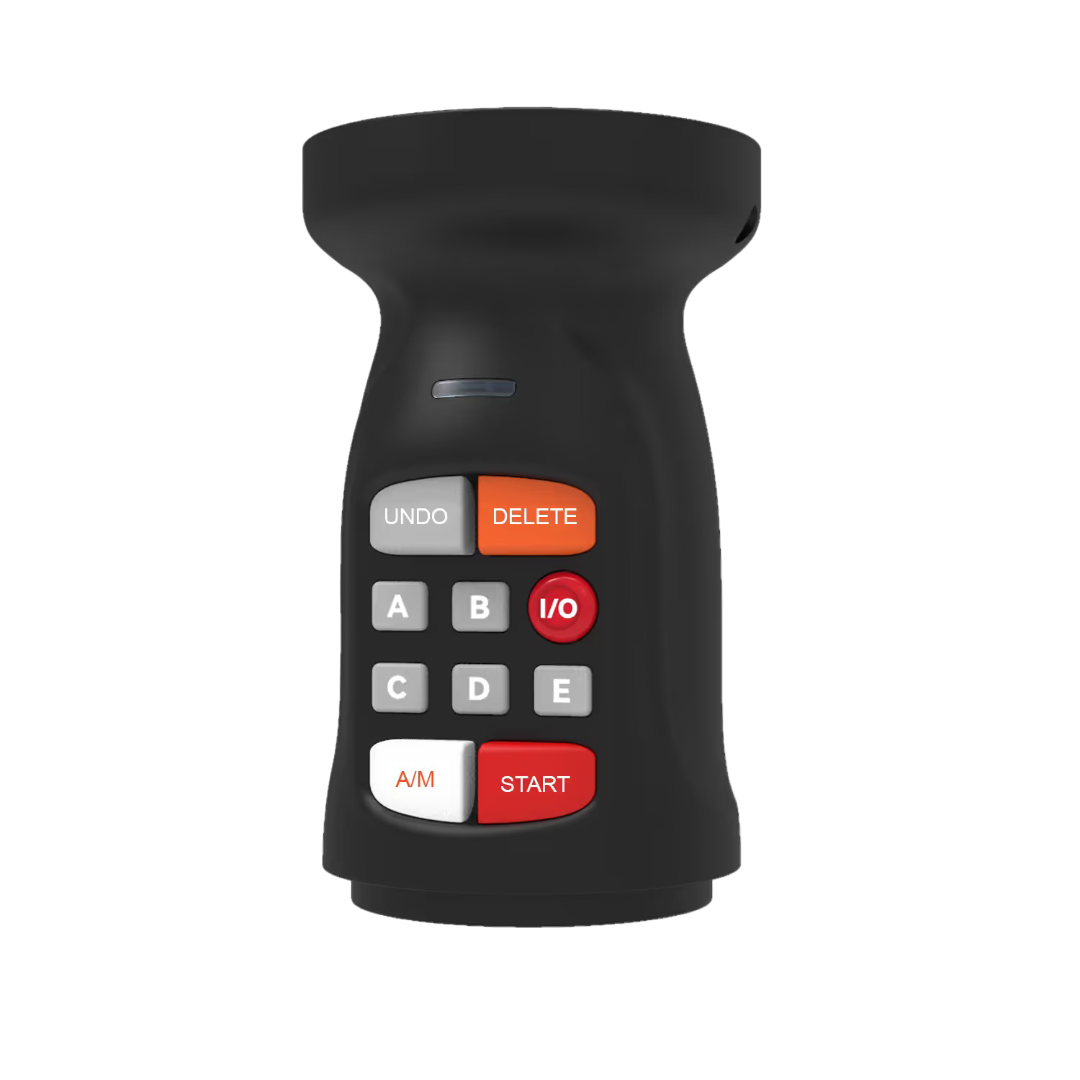
A teach pendant is used to set up and operate a robot. Depending on the device, it may support functions such as moving the robot, teaching positions, selecting programs or starting processes.
Teach pendants are normally designed for specific robot controllers. The robot and controller models are therefore the most important information for selecting a suitable device.
Sensors
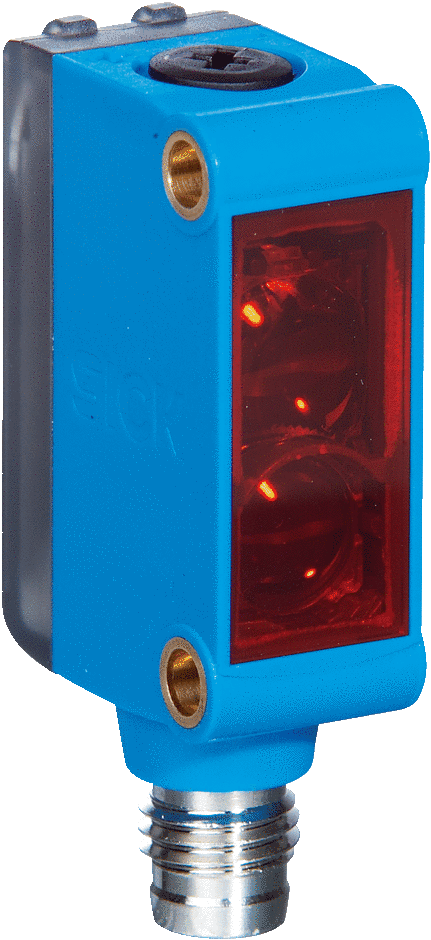
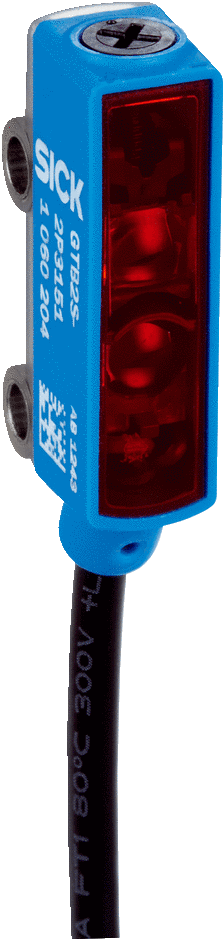
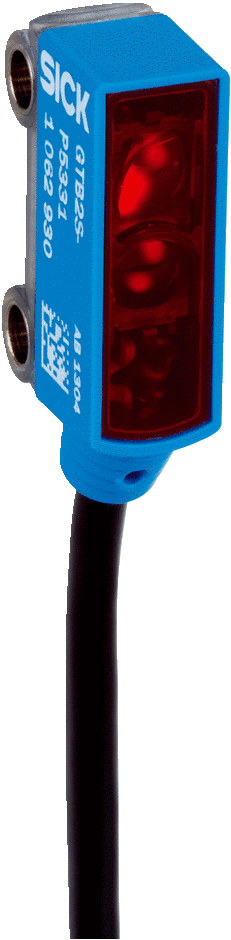
Sensors provide information about workpieces, positions and process conditions.
Typical tasks include:
Detecting the presence of a part
Checking a position
Measuring distance
Confirming a gripping process
Measuring forces at the tool
A force-torque sensor can capture forces and moments acting at the robot tool. This can be useful in assembly, joining and inspection processes.
For the initial selection, a short description of what needs to be detected or measured is usually sufficient. The suitable sensor type can then be chosen based on the object, distance and installation situation.
Machine and Vision Lighting
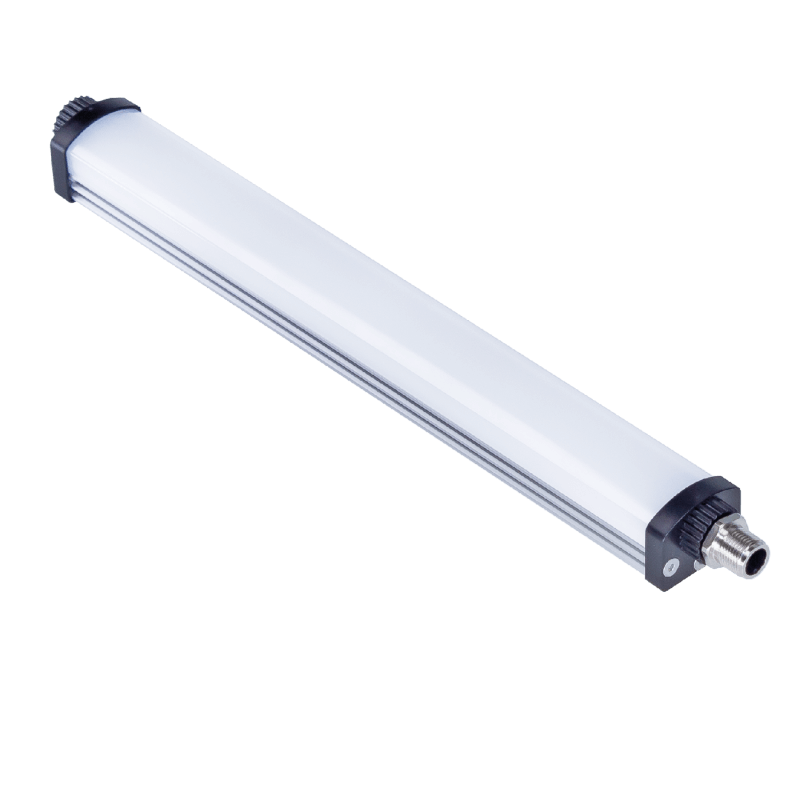
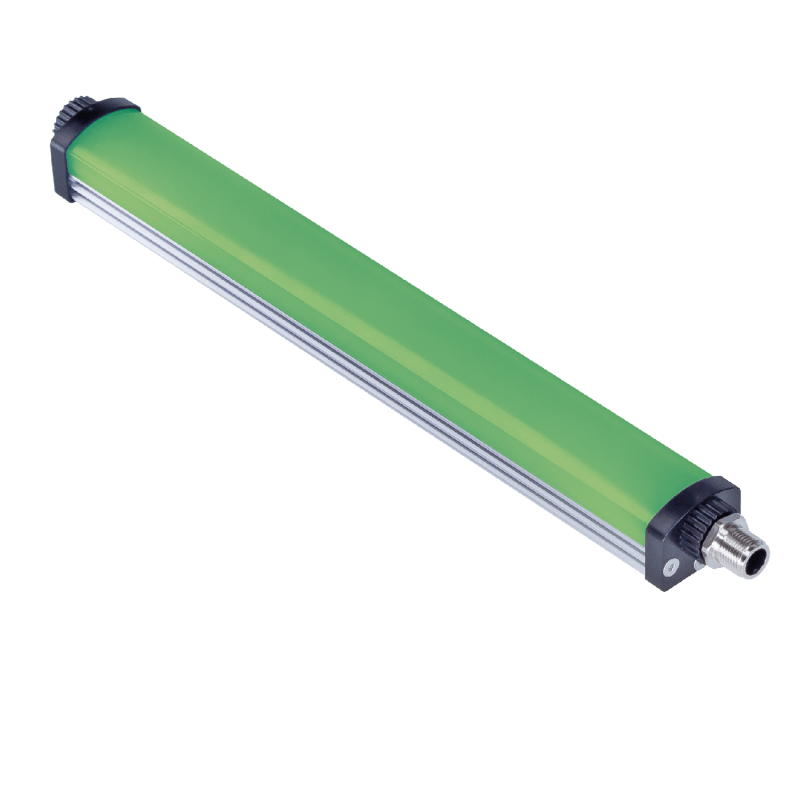
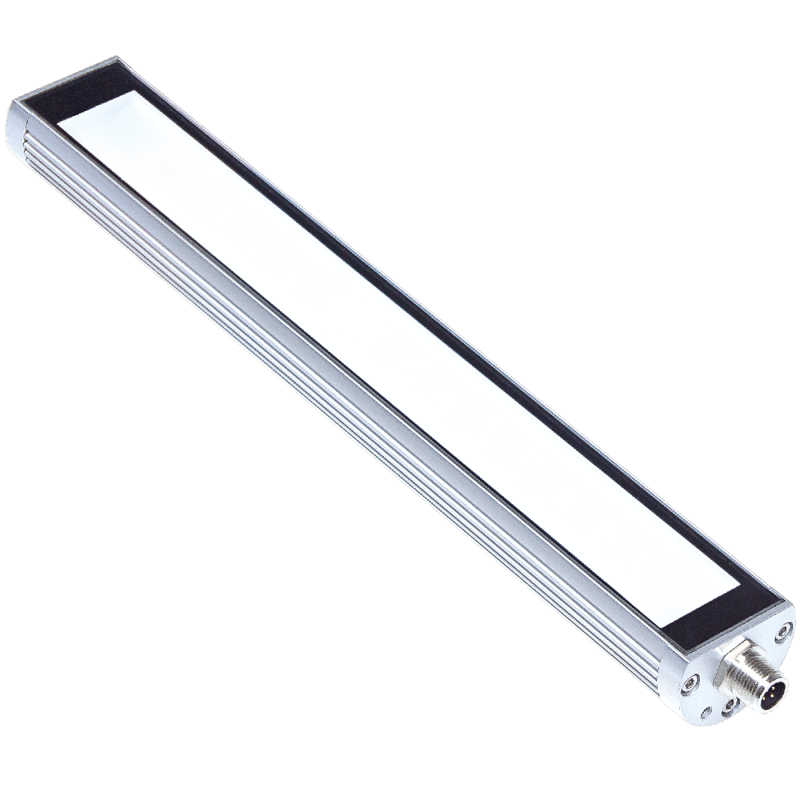
Cameras need suitable lighting to detect components and inspection features reliably. Machine lights can also improve visibility inside the robot workspace.
Helpful information includes:
The workpiece or feature to be detected
Part size and surface
Camera type
Available installation space
Possible reflections or shadows
Lighting should be selected together with the camera and inspection task. The shape, angle and type of light can strongly affect the image result.
Protective Robot Covers
A cover can help protect a robot from dust, dirt or other environmental influences.
The cover should:
Fit the robot model
Allow the required movements
Suit the working environment
Keep necessary connections accessible
Robot model and environmental conditions are usually enough to identify suitable options for an initial comparison.
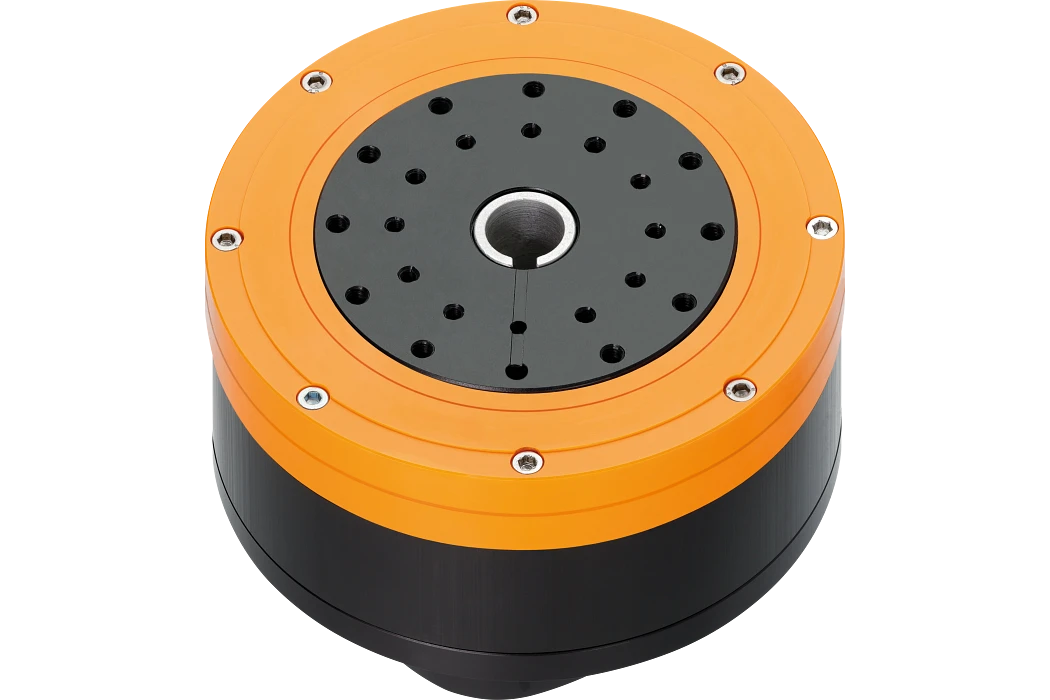
External Axes
An external axis adds another movement to the robot system. It can move either the robot or the workpiece.
Typical versions include:
Linear axes
Travel axes
Rotary axes
Positioners
External axes are used when the robot needs to reach several stations or when a workpiece must be rotated during the process. The RBTX range includes external rotary axes and energy chain solutions for multi-axis robot systems.
A detailed technical specification is not required for the first inquiry. Information about the robot, workpiece and desired movement usually provides a suitable starting point.
Application Matrix for Industrial Robot Accessories
Application | Common robot accessories | Main purpose |
Pick and place | Adapter plate, cable holder, sensor | Mount tooling and detect parts |
Machine tending | Robot base, protective conduit, sensors | Position the robot and protect lines |
Palletizing | Mounting base, energy chain, external axis | Support reach and cable guidance |
Assembly | Adapter plate, force sensor, tool changer | Connect tools and monitor process forces |
Quality inspection | Lighting, sensors, camera mounts | Produce stable images and repeatable inspections |
Welding or dispensing | Cable management, tool holder, positioner | Guide lines and orient workpieces |
Changing production tasks | Tool changer and tool station | Use several tools with one robot |
Mobile automation | Mobile base, mounting hardware, charging equipment | Move the system between work areas |
Education and training | Mounting kit, operating device, protective equipment | Create a complete training setup |
Information That Helps Narrow Down the Selection
A complete technical plan is not required before choosing accessories. Four basic pieces of information are often enough for a first assessment.
1. Robot Model
The manufacturer and model help identify compatible adapter plates, bases, cable kits and operating devices.
2. Intended Application
A brief process description can be sufficient, for example:
Pick up and place components
Load and unload a machine
Palletize boxes
Inspect parts
Change tools automatically
This indicates which accessory groups are likely to be relevant.
3. Tooling
When already known, the planned gripper, suction system, sensor, camera or process tool should be included. When tooling has not yet been selected, it can be considered together with the required accessories.
4. Working Environment
Useful details include available space, mounting location and environmental conditions. A sketch, photo or short video can often provide enough context for an initial discussion.
Missing information can be clarified during the next planning step. For turnkey systems, RBTX can include the required accessories directly in the overall concept.
Robot Accessories, Components and Spare Parts
Term | Meaning |
Robot accessories | Products that extend or support an application |
Robot components | Individual building blocks of the automation system |
Robot peripheral equipment | Devices and systems around the robot |
Robot spare parts | Products intended to replace worn or damaged parts |
An adapter plate is a typical robot accessory. A sensor or gripper is a component of the application. A replacement cable for a specific robot may instead be a spare part.
For robot replacement parts, the exact product identification of the existing part is important. A product with a similar appearance is not automatically a suitable replacement. Robot-parts catalogs can cover very different products, from wiring and sensors to actuators and mechanical components, so the required system and purpose should be identified clearly.
Frequently Asked Questions About Robot Accessories
What products are considered robot accessories?
Common examples include adapter plates, robot bases, energy chains, cable holders, tool changers, teach pendants, sensors, lighting, protective covers and external axes.
Which accessories are typically needed for a first robot application?
Many basic applications require stable mounting, a connection between the robot and end effector, and suitable cable or hose guidance. Additional products depend on the task and working environment.
Do all technical dimensions need to be known before ordering?
No. Robot model, tooling and a short application description are often enough for an initial selection. Additional details can be clarified during the planning process.
Does every accessory fit every robot?
No. Accessories may be designed for specific robots, controllers or tools. The manufacturer and exact model should therefore be considered.
When is an adapter plate required?
An adapter plate is required when the robot flange and tool cannot be connected directly.
When is a tool changer useful?
A tool changer is useful when the same robot needs to operate several grippers or process tools.
Why is cable management important?
Suitable cable management protects cables and hoses and prevents them from interfering with the robot movement or workspace.
Can accessories be included in the complete system planning?
Yes. When the required products have not yet been defined, RBTX can review the application and include suitable accessories in the system concept.
Are complete automation solutions also available?
In addition to individual products, RBTX can support the planning and implementation of a turnkey automation solution. The robot, tooling, accessories, control system and other required components can be considered together. RBTX also offers expert video calls and feasibility testing as part of its service options.
Select Compatible Robot Accessories
When the required adapter plate, mounting solution, energy chain or sensor system is still open, RBTX can support the selection and combination of suitable products.
Book a free expert video call
During a free 30-minute RBTXpert video call, the robot model, application and open accessory questions can be reviewed together.
Test the application before purchasing
A feasibility test can help determine whether the robot, tooling, accessories and workpiece operate together as planned.
Request a turnkey automation solution
For a complete automation project, RBTX can include the necessary accessories from the start—from mounting and adapter plates to cable management, sensors and integration.
Next step: Compare robot accessories, book a free consultation or request a complete automation solution.